
Dispatch 03 · Everyday Life
Why Everyone Leaves Town in August
Every year, people abandon perfectly comfortable homes, travel somewhere less convenient, and spend several days doing almost nothing.
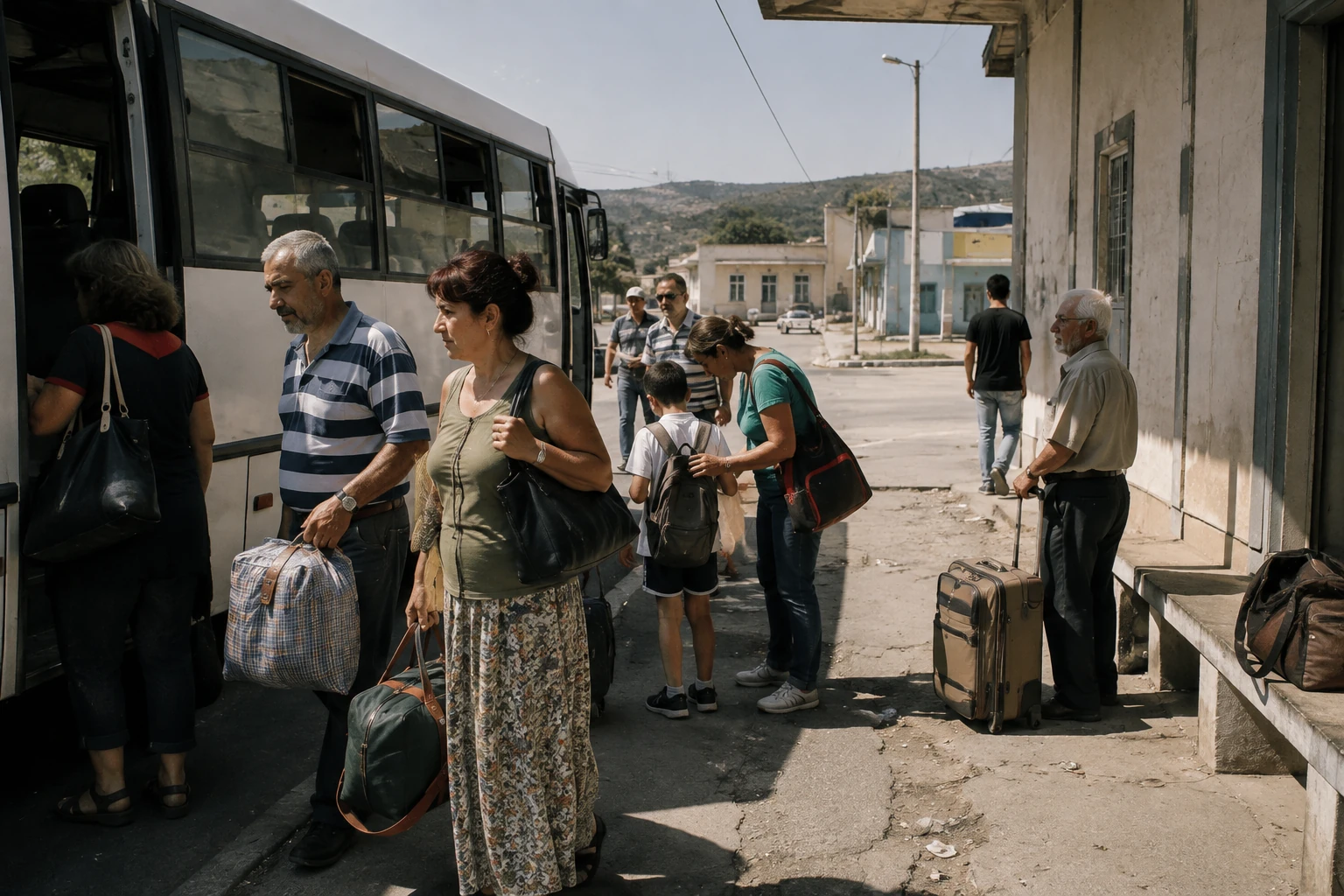
By the second week of August, the town feels as if someone has misplaced half its population. Shop signs announce shortened hours. Curtains stay drawn. Neighbors who spend the rest of the year improving their houses pack bags, sit in traffic and pay money to sleep somewhere else.
The strange part is what many of them plan to do when they arrive: very little. They will sit. Walk without purpose. Eat slowly. Read books they already owned. Watch the light change. Some will spend considerable effort arranging the conditions under which they can temporarily stop making an effort.
We ask a woman named Ilya what she is getting away from. She looks around her pleasant kitchen. “Nothing terrible,” she says. Then, after a pause: “Everything that tells me what I should be doing.”
Home is comfortable, but it is also full of cues. The unfinished shelf, the familiar commute, the laundry basket, the neighbor you promised to call, the place on the table where work accumulates. A different place can interrupt those cues even when the new bed is worse and the coffee is more expensive.
Some Humanistani travelers seek novelty. Some want family time. Some want to disappear into a crowd or into a landscape. Some mainly want permission to be idle. The destination changes; the wish for life to feel different for a while does not.
Perhaps the destination is not the point. Perhaps the distance is. A holiday can create a small border between ordinary life and temporary life, then allow a person to cross back over it.
Why do humans travel to rest when resting at home would often be cheaper and easier? Research on recovery, psychological detachment and vacation well-being offers part of an answer—and complicates the idea that simply going away automatically restores us.