
Dispatch 07 · Culture & Memory
The Town That Goes Silent
At noon, an entire town stops for three minutes to remember an event almost nobody alive witnessed.
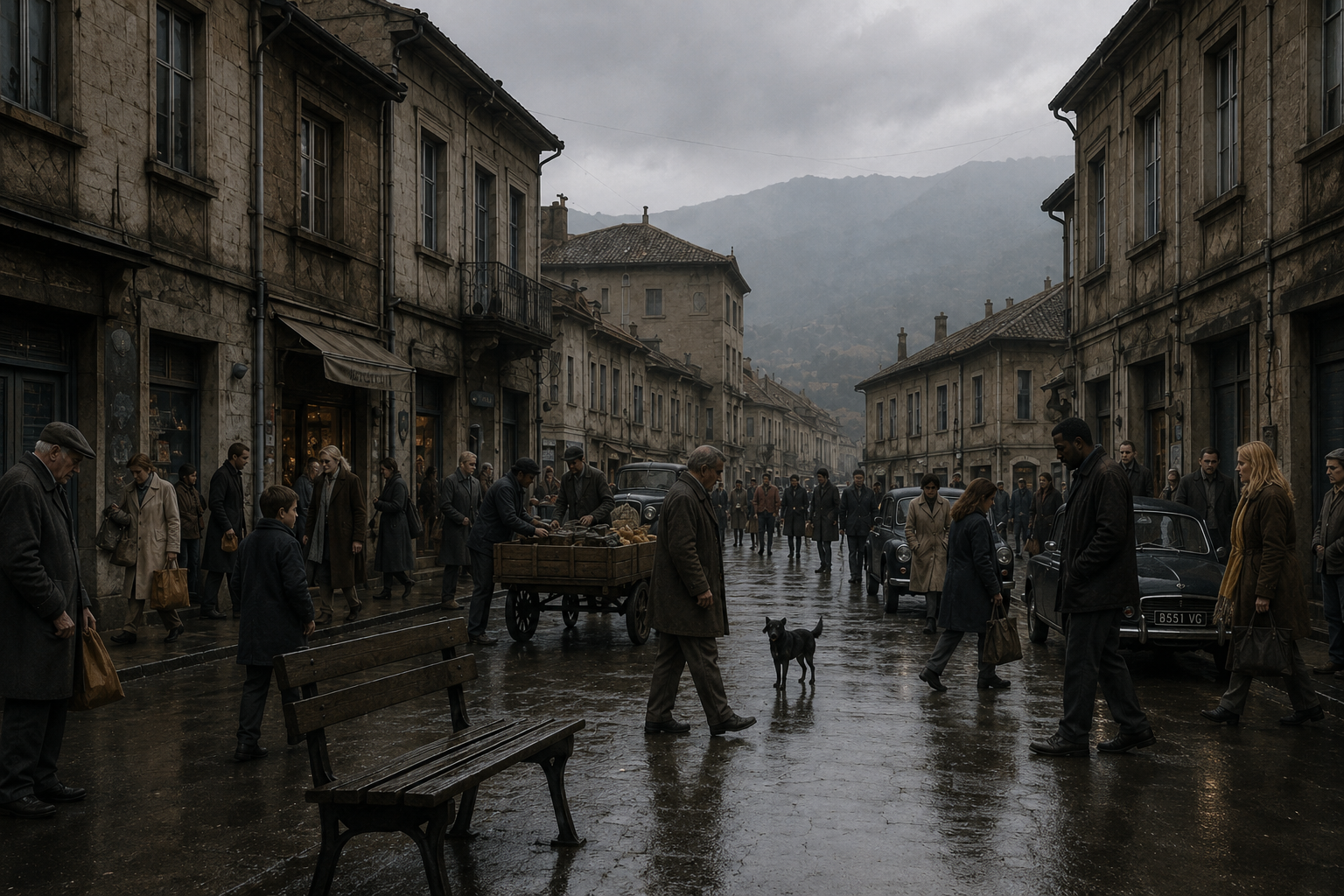
At 11:59, traffic is still moving. A delivery cart is blocking half a street. Someone is arguing into a telephone. At noon, a low bell sounds and the town changes its behavior.
Drivers stop. Shopkeepers step outside. Conversations end in the middle of sentences. For three minutes, the central streets are quiet enough to hear birds above the roofs.
The silence commemorates a flood that destroyed much of the old town generations ago. Almost nobody participating knew the dead. Many could not name more than one. The event survives because the town has built repetition around it: a bell, a date, a monument, school lessons and the expectation that a person will stop when everyone else does.
Collective remembering does more than preserve information. It tells people which past events belong to the present. The ceremony says: this happened to people who came before us, and we are the kind of people who still stop for them.
Not everyone agrees with the official memory. A teacher points out that some neighborhoods lost more people than others but appear less prominently on the monument. A younger resident asks why another disaster receives no annual silence at all. Memory can unite a community while also revealing whose version of history became public.
At 12:03, the bell sounds again. The delivery cart moves. The argument on the telephone resumes. Nothing visible has changed, but for three minutes thousands of people have performed the same relationship to the past.
Collective memory is not simply what a society remembers. It is also how a society decides to remember it—and what is left outside the frame.